
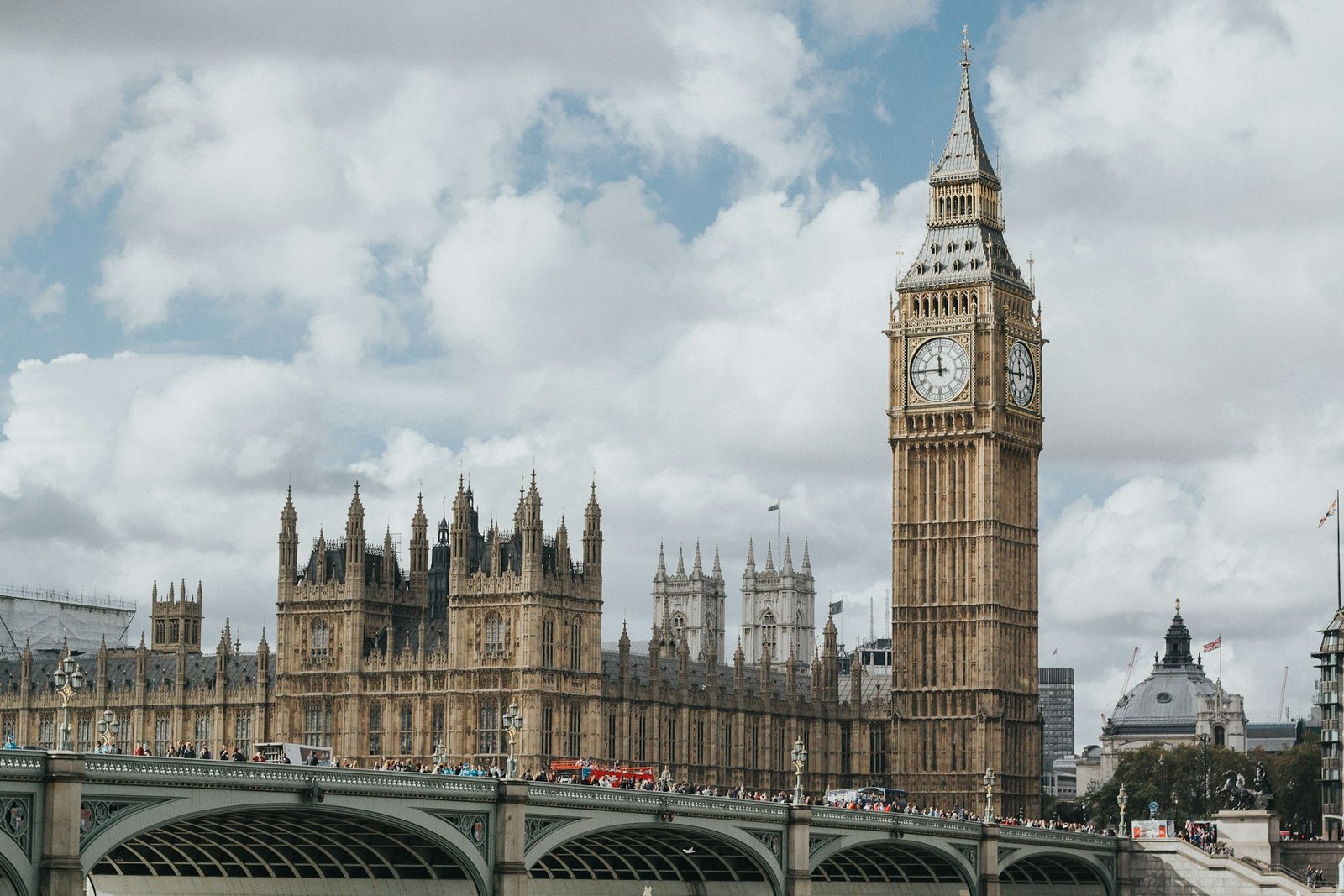
Reform UK MPs
Few groups in British politics have grown as fast, or attracted as much attention, as Reform UK MPs. After a historic breakthrough in the 2026 local elections and a growing presence in Westminster, the party’s representatives now face intense public scrutiny. With that visibility comes a challenge every modern politician knows well: managing your reputation online.
For Reform UK MPs, as for any public figure, what appears in search results and on social media shapes how voters, journalists, and colleagues see them. A strong online reputation builds trust and credibility, while an unmanaged one leaves a politician exposed. This guide explains how Reform UK MPs, and politicians more broadly, can take control of their digital image.
Why Online Reputation Matters for Reform UK MPs
Online reputation matters for Reform UK MPs because public trust directly affects their credibility, influence, and electoral success. With the party under close media attention, search results and social media shape voter perception instantly, making a strong, well-managed online presence essential to maintaining confidence and political standing.
Rapid growth brings rapid scrutiny. As a party that has expanded quickly and positioned itself as a disruptive force in British politics, Reform UK and its MPs draw constant coverage. Every statement, vote, and social media post is examined, shared, and debated in real time.
That visibility cuts both ways. Handled well, it builds a powerful platform and a direct connection with voters. Left to chance, a single misjudged post or damaging headline can dominate search results and define a politician in the public mind for years.
The Reputation Pressures Facing Modern Politicians
Today’s MPs operate in an unforgiving environment. Understanding the main pressures is the first step to managing them.
Constant media scrutiny means every action is reported and analysed, often within minutes. For a high-profile party, the level of coverage is even greater.
Viral social media moments can amplify a single comment to millions, stripped of context and impossible to fully retract once shared.
Deepfakes and disinformation are a growing and serious threat. UK politicians have already faced fabricated videos designed to mislead voters, and such content can spread widely before it is identified or removed. This makes proactive monitoring more important than ever.
AI-driven search adds another layer. When people type an MP’s name into an AI tool, it generates an instant summary from whatever it finds online. If that information is outdated or negative, it shapes opinion before the politician has any say.
How Reform UK MPs Can Protect Their Online Reputation
Protecting a political reputation takes a clear, consistent strategy. These steps apply to Reform UK MPs and politicians of every party.
Build a strong, authoritative presence. An official website, verified social profiles, and accurate biographies give search engines positive, credible content to rank. This becomes a foundation that makes negative material harder to surface.
Monitor continuously. Tracking news, social media, and online sentiment provides early warning of issues before they escalate. Knowing what is being said, and where, allows for a fast, measured response.
Communicate consistently. A clear, authentic voice across every platform builds trust and reduces the risk of mixed messages being taken out of context.
Respond to issues quickly and calmly. When criticism or misinformation arises, a swift and professional response limits the damage far more effectively than silence or a defensive reaction.
Highlight real achievements. Promoting genuine work in Parliament and the constituency ensures that a politician’s record, not a one-sided story, is what voters find first.
How Should an MP Respond to a Reputation Crisis?
An MP should respond to a reputation crisis by acting quickly, communicating honestly, and addressing concerns directly rather than ignoring them. A calm, factual response that corrects misinformation and acknowledges genuine issues protects credibility and reassures voters far more effectively than silence or defensiveness.
Speed and honesty are everything in a crisis. The longer a damaging claim goes unanswered, the more it spreads and the harder it becomes to correct. A clear, measured statement that sticks to the facts allows an MP to regain control of the narrative.
It also helps to have a plan in place before a crisis hits. Politicians who know in advance how they will monitor, escalate, and respond to issues are far better placed to act decisively when it matters most.

The Role of Honest, Transparent Communication
For any politician, trust is the foundation of everything. Voters are quick to forgive honest mistakes but slow to forgive evasion or spin. Reform UK MPs, like all elected representatives, build the strongest reputations when their communication is clear, consistent, and genuine.
Transparency does not mean sharing everything. It means being straight with the public, owning errors when they happen, and explaining decisions clearly. Over time, this steady honesty becomes a reputation asset that no single negative story can easily undo.
Why Professional Reputation Support Helps
Many politicians try to manage their reputation alone, but reacting under pressure often backfires. A poorly judged response can fuel a story, and attempts to suppress content rarely succeed without expertise.
Professional reputation management brings strategy, discretion, and the right tools. Specialists monitor continuously, plan for crises, and shape search results so that an MP’s genuine record is what the public sees. Sensitive political matters are handled with complete confidentiality, freeing politicians to focus on their work.
Frequently Asked Questions
Why is online reputation important for Reform UK MPs?
Online reputation is important for Reform UK MPs because public trust shapes their credibility and electoral success. With the party under close media attention, search results and social media influence voter perception instantly, making a strong, well-managed online presence essential.
How can MPs protect themselves from deepfakes and disinformation?
MPs can protect themselves by monitoring online mentions continuously, responding quickly to fabricated content, and reporting it to platforms for removal. Building a strong, verified online presence also helps, as authentic content makes misleading material easier to identify and counter.
What should a politician do during a reputation crisis?
A politician should act quickly, communicate honestly, and address concerns directly. A calm, factual response that corrects misinformation and acknowledges genuine issues protects credibility far more effectively than silence or a defensive reaction, and helps regain control of the narrative.
How does AI search affect a politician’s reputation?
AI search tools generate instant summaries of a politician from whatever they find online. If that information is outdated or negative, it shapes public opinion before the politician can respond, so actively managing how they appear across AI tools and search is essential.
Can negative content about an MP be removed?
Complete removal cannot be guaranteed, as platforms control their own content. However, damaging material can be managed by reporting policy violations, pursuing legal action against defamation, and strengthening positive, accurate content so it ranks above the negative results.