
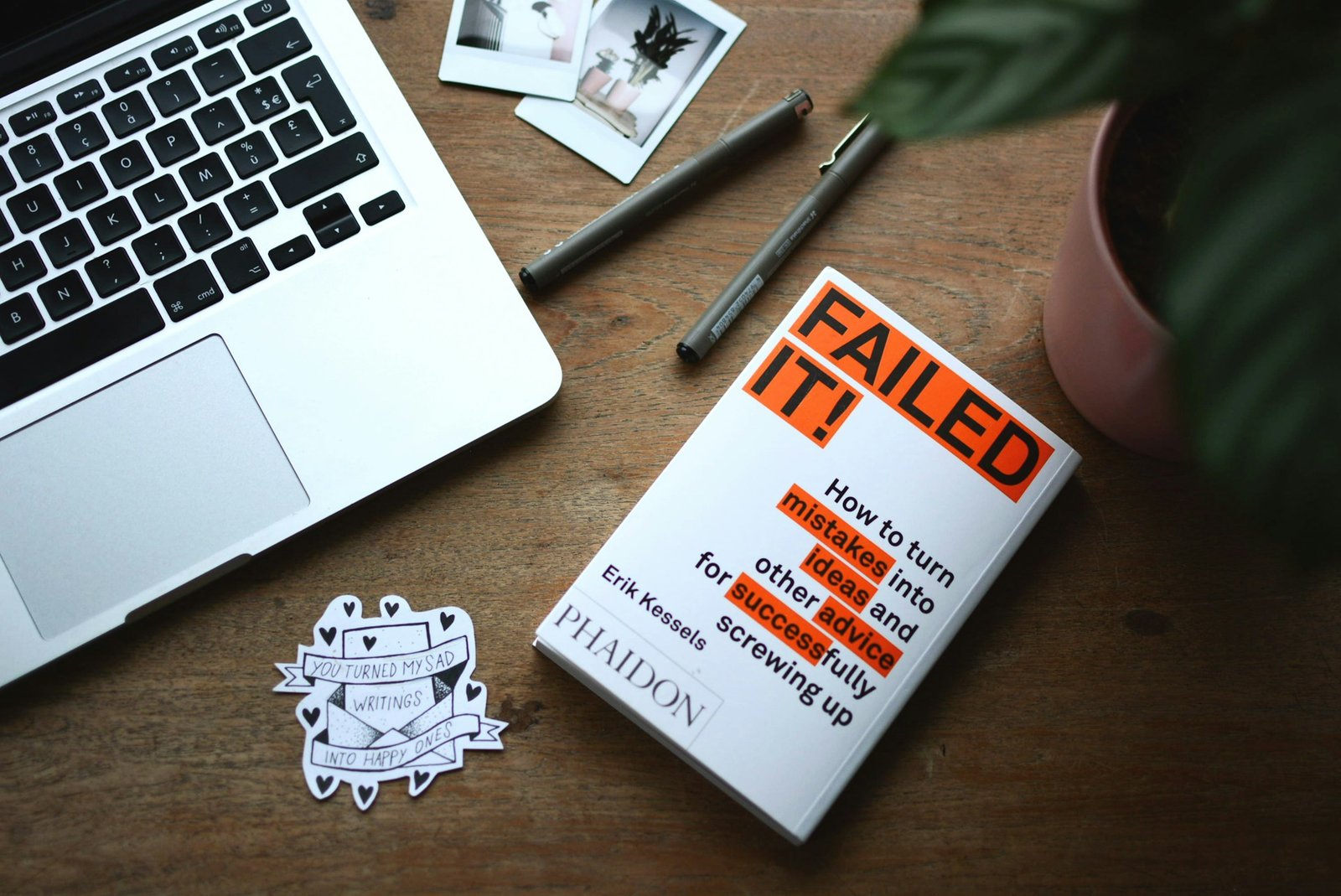
Reputation Management Mistakes
Most damage to a reputation isn’t done by the original problem. It’s done by how people respond to it. A bad review, an awkward news mention, a critical comment, these are survivable. What turns them into lasting harm is usually a series of avoidable reputation management mistakes made in the moment, often with the best intentions. Understanding those mistakes is half the battle, because once you can spot them, they’re surprisingly easy to avoid.
Here are the seven reputation management mistakes that do the most damage, and what to do instead.
1. Ignoring it and hoping it goes away
The instinct to look away from a negative review or comment is understandable, but silence rarely helps. To everyone else reading, an unanswered complaint looks like you don’t care, and the content quietly gathers authority the longer it sits. Problems left alone tend to grow, not fade. The fix is simple: acknowledge things promptly, even briefly, because a timely, measured response almost always beats a wall of silence.
2. Responding while angry
The opposite mistake is just as costly. Firing back at a critic while emotions are running high feels satisfying for about ten seconds, then lives online forever. Defensive or combative replies escalate situations and make you, not the original complaint, the story. The discipline here is to pause, draft a calm response, and ideally have someone else read it before it goes out. You can’t un-send a heated reply.
3. Faking reviews or buying followers
It’s tempting to paper over a thin or negative presence with fake five-star reviews or purchased followers. Don’t. Platforms are increasingly good at detecting it, the penalties are real, and customers can usually smell inauthenticity anyway. Worse, it’s now squarely against search and platform rules. Genuine reviews from real customers, even imperfect ones, build far more trust than a suspiciously spotless wall of fakes.
4. Trying to delete everything
When something negative appears, the first wish is usually to make it vanish. But genuine reviews and lawful news articles generally can’t simply be deleted, and chasing removal that isn’t possible wastes time and money. The smarter approach is to accept what can’t be removed and focus on suppression, building strong positive content that pushes the negative down where few people ever see it. The goal isn’t a blank slate; it’s an accurate first page.
5. Treating reputation as a one-off project
Plenty of people tackle their reputation in a single burst, then stop. The trouble is that reputation isn’t static. New reviews arrive, news cycles turn, and content left untended slowly loses ground. A flurry of activity followed by silence rarely holds. Steady, ongoing attention beats intensity every time, and the results compound, making consistent effort far more effective than a one-time push.
6. Forgetting the root cause
If twenty customers complain about slow service, burying those reviews just sets up the next twenty to complain too. Managing the symptoms while ignoring the underlying problem is a treadmill. The most effective reputation work starts by fixing whatever caused the negativity in the first place, because that’s what makes any positive response credible rather than hollow, and what stops the problem returning.
7. Ignoring what AI says about you
Here’s the newest mistake, and one almost everyone makes: focusing entirely on Google while overlooking AI. Tools like ChatGPT and Google’s AI summaries now shape first impressions, often pulling from reviews and older content to produce a confident verdict people accept without checking. If you’ve never looked at what AI says about you, you’re blind to what may now be your most influential introduction. Checking and shaping it is fast becoming essential.

The mistake behind all the others
If there’s a single thread running through these seven, it’s treating reputation as something to react to rather than something to manage. Each mistake comes from being caught off guard, responding emotionally, reaching for a shortcut, or simply not paying attention until it’s too late. Good reputation management flips that: it’s proactive, calm, and consistent, dealing with small issues before they grow and building a strong enough presence that the occasional negative has little room to take hold.
That shift in mindset, from firefighting to tending, is what separates people who keep stumbling into these mistakes from those who quietly avoid them.
Putting it right
If you recognise one or two of these, you’re in good company, they’re common precisely because they feel natural in the moment. The encouraging part is that avoiding them doesn’t require expertise so much as awareness and a little discipline: respond calmly and promptly, stay authentic, fix root causes, keep at it consistently, and watch both search and AI.
Get those habits right and most reputation management problems stay small and manageable. Get them wrong and an ordinary bad day can quietly cost you customers for years. The difference, more often than not, comes down to these seven choices.
Frequently Asked Questions
What is the biggest reputation management mistake?
Treating reputation as something to react to rather than manage. Most damage comes from being caught off guard, responding emotionally, or not paying attention until it’s too late. Proactive, consistent attention to reviews, search results, and AI summaries prevents small issues from becoming costly ones.
Should I respond to negative reviews?
Yes, but calmly and never while angry. Prospective customers read your responses as closely as the reviews themselves, so a thoughtful, constructive reply to criticism often impresses more than a perfect record. Ignoring complaints signals you don’t care, while defensive replies usually make things worse.
Is it okay to buy reviews to improve my reputation?
No. Fake reviews and bought followers are increasingly detected by platforms, carry real penalties, and now breach search and platform rules. Customers can often sense inauthenticity too. Genuine reviews from real customers, even imperfect ones, build far more trust than a suspiciously flawless profile.
Can I just delete negative content about my business?
Rarely. Genuine reviews and lawful news articles usually can’t simply be removed, and chasing impossible removals wastes time and money. The smarter approach is suppression, building strong positive content that pushes negatives down where few people look, while fixing whatever caused the problem.
Why does reputation management need ongoing effort?
Because reputation isn’t static. New reviews appear, news cycles turn, and untended content slowly loses ground. A single burst of activity followed by silence rarely holds. Steady, consistent effort outperforms intensity, and the results compound, making a maintained reputation far more resilient over time.