
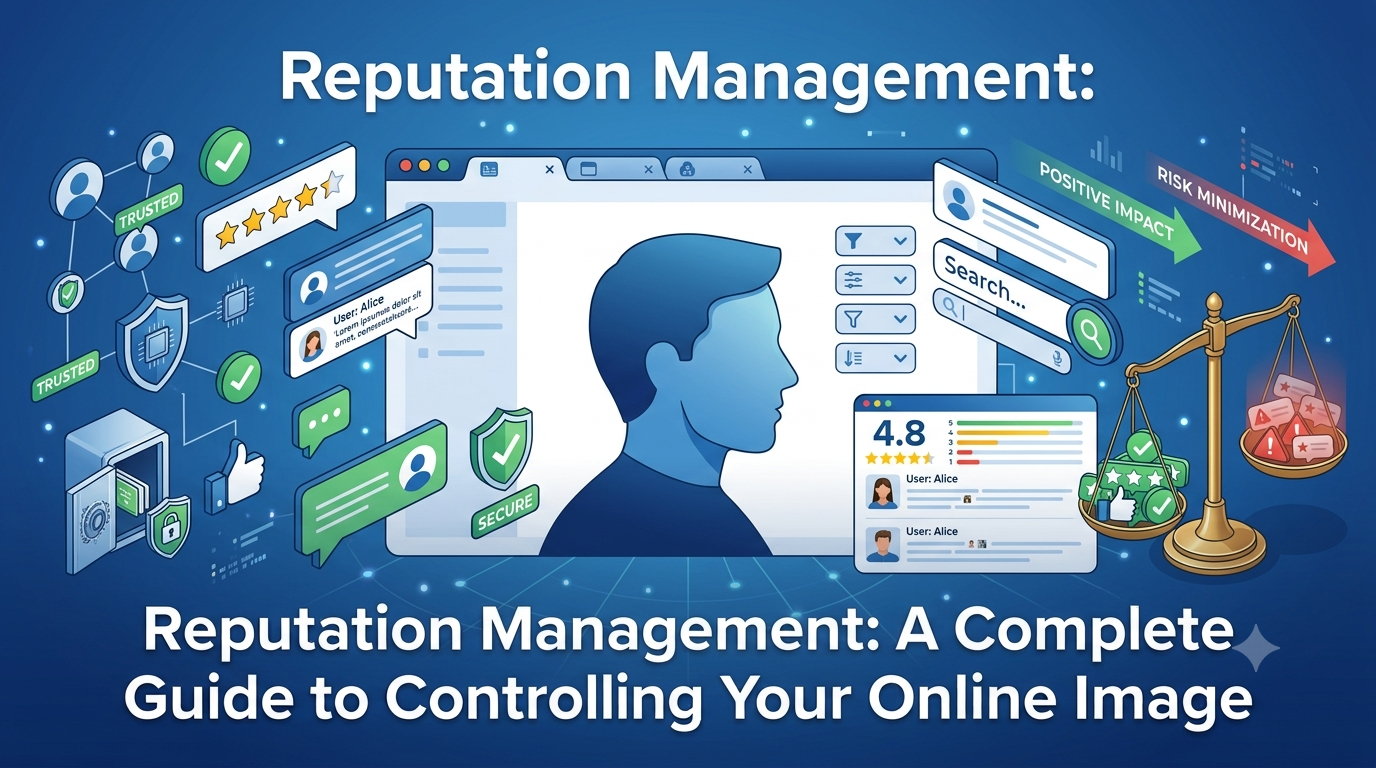
Reputation Management
Your online reputation often forms before anyone shakes your hand or reads your pitch. A quick Google search can shape whether a client signs a contract, an investor takes a call, or a candidate lands an interview. This is why reputation management has become a core part of doing business in a digital-first world, not just a service for celebrities or large corporations.
Whether you are a business owner, an executive, or a professional trying to protect your name, understanding how reputation management works can help you respond to threats early and build a presence that reflects who you really are.
What Does Reputation Management Actually Involve
At its core, reputation management is the practice of monitoring, influencing, and improving how a person or business appears online. This covers search engine results, review platforms, social media mentions, and news coverage.
A solid strategy typically includes:
- Monitoring brand mentions and search results across the web
- Responding to reviews, both positive and negative, in a professional tone
- Publishing positive, authoritative content that ranks above outdated or unfair coverage
- Addressing false or misleading information through proper legal or platform channels
- Strengthening social proof through testimonials, case studies, and press coverage
The goal is not to erase everything negative. It is to present an accurate, balanced picture that gives people confidence in who you are and what you offer.
Why This Matters More Than Ever
Search behavior has shifted. People research names, companies, and even job candidates before making a decision. A handful of negative reviews or an unresolved complaint sitting on page one of Google can quietly cost sales, partnerships, and opportunities without anyone ever telling you why.
Beyond commercial impact, there is a personal dimension too. Being misrepresented online, whether through outdated news, a malicious review, or a case of mistaken identity, can affect mental wellbeing and professional confidence. Getting ahead of this with a proactive strategy reduces the chance of being blindsided later.
Common Situations That Call for Professional Support
Certain moments tend to push reputation management from optional to urgent:
Negative reviews spreading across platforms. A single bad review rarely causes damage. A pattern of unaddressed complaints across Google, Trustpilot, or industry-specific sites does.
Outdated or unfair news coverage. Old articles can rank for years after the story has moved on, even when the situation has been resolved.
Executive or founder visibility. Leaders are increasingly judged by their personal search results, not just the company’s website.
Crisis situations. A PR misstep, viral complaint, or public dispute needs a fast, coordinated response before it escalates further.
Job seekers and professionals. Recruiters routinely check candidates online before an interview is ever scheduled.
Building a Reputation Strategy That Lasts
Effective reputation management is rarely a one-time fix. It works best as an ongoing process built on a few key pillars.
- Monitor Consistently: Set up alerts and regular searches for your name or brand so you catch new mentions early, before they gain traction or ranking momentum.
- Respond With Care: When addressing negative feedback, stay calm, factual, and solution-focused. A thoughtful public response often does more to build trust than the original complaint does to damage it.
- Create Authoritative Content: Publishing well-written articles, interviews, and profiles on reputable sites helps push accurate, positive information higher in search results over time.
- Know When to Involve Professionals: Complex situations, such as defamatory content or coordinated attacks, often benefit from working with legal counsel or a dedicated reputation management agency rather than attempting a DIY fix.
Reputation Management - Reputation Management
A Word on Legal and Sensitive Cases
If you are dealing with defamation, harassment, or content that could have legal implications, it is best to speak with a qualified solicitor before taking action. Reputation management strategies can support and reinforce a legal case, but they are not a substitute for proper legal advice in serious matters.
Frequently Asked Questions
Is reputation management the same as SEO?
They overlap but are not identical. SEO focuses on ranking content for search visibility, while reputation management uses similar techniques specifically to control how a name or brand is perceived, often by promoting positive content and addressing harmful material.
Can negative reviews ever be removed?
Sometimes, if they violate a platform’s guidelines, such as being fake or abusive. Genuine negative reviews usually cannot be deleted, so the better approach is responding professionally and building a stronger volume of positive feedback around them.
How long does it take to see results?
It varies depending on the competitiveness of the search terms and the amount of existing negative content. Some improvements appear within weeks, while more challenging cases can take several months of consistent effort.
Do small businesses need reputation management too?
Yes. Local customers frequently check reviews before choosing a business, so even a handful of unaddressed complaints can influence buying decisions in a competitive market.
What is the first step if I find damaging content about myself online?
Start by documenting what you find, then assess whether it violates any platform policies or laws. From there, a mix of professional response, positive content creation, and, where necessary, legal advice usually gives the best outcome.