

Corporate Reputation Management
A company’s reputation is one of its most valuable assets, yet it can be lost in a single misstep. Behind every strong reputation sits something deeper than marketing or public relations: ethics. How a business behaves, treats people, and handles difficult decisions ultimately shapes how the world sees it. That is why corporate reputation management and business ethics are so closely linked.
In an age of instant news, social media, and AI-driven search, the connection has never mattered more. This guide explores how business ethics underpin corporate reputation management, why the relationship is critical in 2026, and how companies can build a reputation rooted in genuine integrity.
What Is Corporate Reputation Management?
Corporate reputation management is the process of shaping, protecting, and improving how a company is perceived by its stakeholders. It combines communication, monitoring, and ethical business practices across news, social media, and search to build trust and maintain a positive public image over time.
At its core, this work is about perception built on reality. The strongest reputations are not manufactured through clever messaging alone. They grow from consistent, ethical behaviour that stakeholders can see and trust. Corporate reputation management ensures that genuine good conduct is communicated clearly and protected against threats.
The goal is lasting trust. A company that manages its reputation well earns the confidence of customers, employees, investors, and the wider community, which becomes a powerful competitive advantage.
Why Business Ethics Are the Foundation of Reputation
Ethics and reputation are two sides of the same coin. A company’s ethical stance determines its actions, and its reputation is the collective judgement stakeholders form about those actions. Strong ethics build trust, while ethical failures erode it, often faster than any campaign can repair.
The evidence is compelling. Consumers increasingly align their spending with their values, choosing brands that demonstrate genuine responsibility. Research has repeatedly found that a large majority of consumers consider a company’s ethical conduct when deciding what to buy, and that businesses with strong ethics programmes tend to outperform their peers financially.
This is why ethics cannot be an afterthought. In corporate reputation management, integrity is not a soft value but a practical driver of trust, loyalty, and long-term success.
How Do Business Ethics Improve Corporate Reputation?
Business ethics improve corporate reputation by building the trust that stakeholders place in a company’s words and actions. When a business behaves honestly, treats people fairly, and takes responsibility, that conduct earns positive perception, customer loyalty, and resilience, strengthening its reputation over time.
The link works through consistency. Every ethical decision, from honest marketing to fair treatment of employees, reinforces a pattern that stakeholders come to rely on. Over time, this predictability becomes trust, and trust is the foundation of a strong reputation.
Ethics also protect reputation in hard moments. A company with a genuine record of integrity is given the benefit of the doubt during a crisis, recovering faster than one whose values were only ever surface deep.
The Cost of Ethical Failures
When ethics break down, reputation pays the price. A single scandal, broken promise, or act of dishonesty can dominate headlines and search results for years, undoing decades of goodwill. In a connected world, news spreads instantly and is rarely forgotten.
The damage reaches across the business. Ethical failures can cost customer trust, sales, employee morale, investor confidence, and partnerships all at once. Worse, the content lingers online, shaping what people find long after the event itself.
This is the real risk of treating ethics as optional. In corporate reputation management, prevention through genuine integrity is always cheaper and more effective than repair.
How to Build a Reputation Rooted in Ethics
Building an ethical reputation takes deliberate, consistent effort. These principles help companies align their conduct with their public image.
Lead from the top. Ethics flow from leadership. When executives model integrity, it sets the standard for the entire organisation.
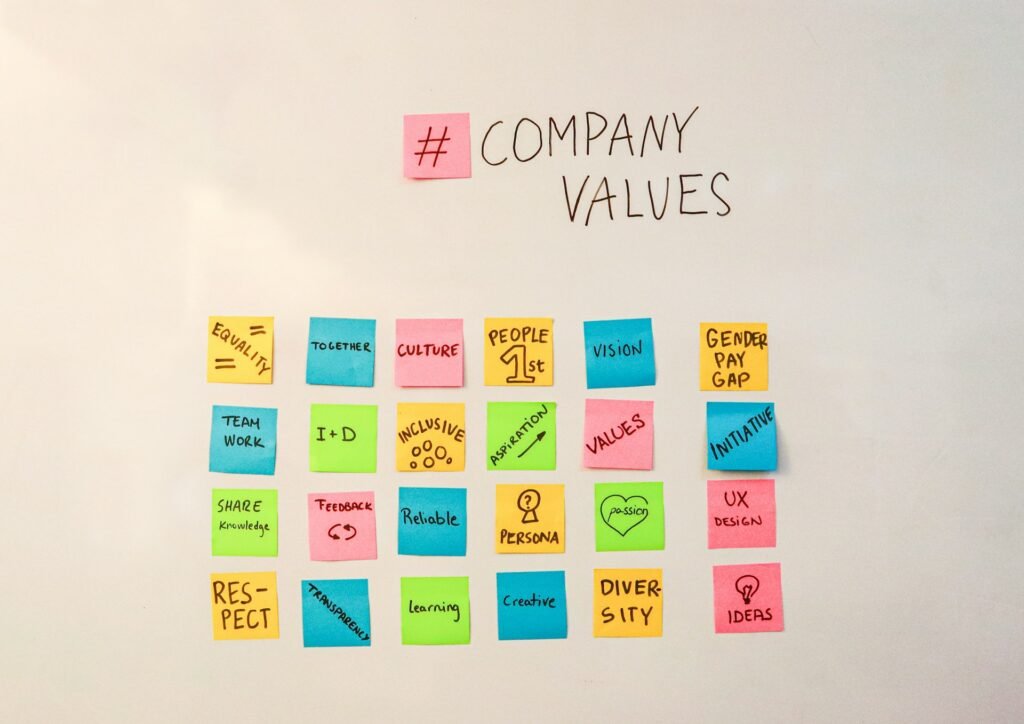
Define clear values. A simple, honest code of conduct gives employees a reference point for decisions and signals your commitments to the world.
Act with transparency. Open, honest communication, especially during difficulties, builds trust far more effectively than spin or silence.
Treat stakeholders fairly. Employees, customers, suppliers, and communities all shape your reputation, so fair and respectful treatment of each matters.
Communicate your conduct. Genuine ethical actions deserve to be shared. Highlighting real responsibility and integrity ensures stakeholders see the values behind your brand.
The Role of Ethics in the AI Era
In 2026, corporate reputation management faces a new challenge. AI tools now summarise companies instantly, drawing on whatever they find online, while misinformation and deepfakes can spread false narratives at speed. In this environment, a genuine ethical record is the strongest defence.
A company with a deep, consistent history of integrity gives both people and AI systems accurate, positive material to draw from. Authentic ethics cannot be faked at scale, and they create a foundation of trust that withstands scrutiny from any source, human or machine.
Frequently Asked Questions
What is corporate reputation management?
Corporate reputation management is the process of shaping, protecting, and improving how a company is perceived by its stakeholders. It combines communication, monitoring, and ethical business practices across news, social media, and search to build trust and maintain a positive public image over time.
How are business ethics and corporate reputation connected?
Business ethics and corporate reputation are deeply linked. A company’s ethical conduct determines its actions, and its reputation is the judgement stakeholders form about those actions. Strong ethics build trust and a positive image, while ethical failures quickly erode both.
Why do business ethics matter for a company’s reputation?
Ethics matter because consumers, employees, and investors increasingly choose businesses they trust. Research shows most consumers consider a company’s ethical conduct when buying, and firms with strong ethics often outperform peers. Genuine integrity builds the loyalty and trust a strong reputation depends on.
What happens to a company’s reputation after an ethical failure?
An ethical failure can damage reputation severely. A single scandal can dominate news and search results for years, costing customer trust, sales, employee morale, and investor confidence. In a connected world, such content lingers online, making prevention through integrity far cheaper than repair.
How can a company build a reputation based on ethics?
A company builds an ethical reputation by leading with integrity from the top, defining clear values, acting transparently, and treating all stakeholders fairly. Communicating genuine ethical actions ensures stakeholders see the values behind the brand, strengthening trust and reputation over time.