

Search visibility control decides what prospects trust first, and reputation signals shape whether they convert. A professional review management service improves Trustpilot performance by strengthening credibility, reducing negative sentiment impact, and restoring control over the public narrative.
Which reputation management approach delivers measurable Trustpilot results?
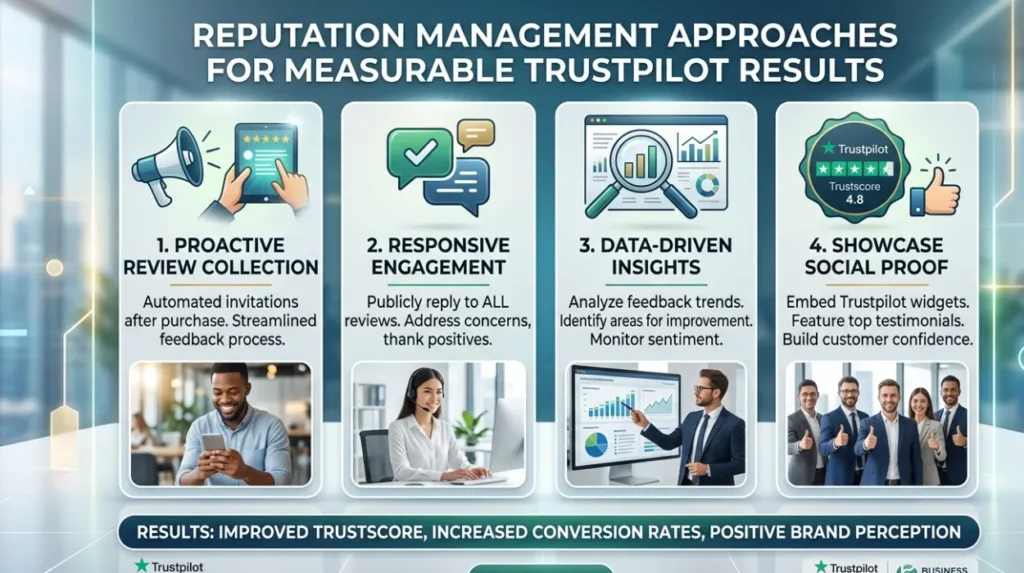
A structured review management service delivers measurable Trustpilot results because it changes review volume, response quality, and profile credibility in a way that search systems and users both recognise.
Dive Deeper With Our Expert Guides and Related Blog Posts:
Remove Fake Google Reviews Quickly and Legally With Our UK Service
Report Fake Google Reviews With Confidence Using Our Step-by-Step Guide
Reputation management services are effective within search ecosystems because Trustpilot often ranks for branded queries, comparison searches, and pre-purchase research. That means the review profile influences perception before a prospect reaches your website. A service focused on Trustpilot does not chase vanity metrics. It works on the specific signals that affect profile trust, reply visibility, and overall rating stability. Reputation Management PR Agency uses this logic to address review risk at the platform level and the search level at the same time. The result is clearer SERP control and a stronger trust profile for hospitality and travel businesses.
The strongest results come from combining review acquisition, response management, policy review, and negative content suppression where relevant. This combination works because Trustpilot and Google do not evaluate reputation in the same way. Trustpilot functions as an independent trust layer, while search engines interpret that layer as part of the broader entity record. A focused service improves the visible rating, strengthens response sentiment, and reduces the impact of isolated negative reviews. That creates measurable movement in public perception. It also gives decision-makers a clearer basis for investing in reputation repair.
What outcomes matter most?
- Increase credible review volume so the profile reflects a broader customer base and reduces the weight of single complaints.
- Improve response quality so the profile shows accountability, which strengthens entity credibility.
- Reduce the visibility of damaging patterns by addressing policy breaches and response gaps.
- Stabilise perception by aligning review handling with consistent customer experience signals.
- Strengthen branded search results by improving the review layer that often appears before the homepage.
Why does Trustpilot matter more than many businesses expect?
Google review strategy matters because it often acts as the first external trust checkpoint in a buyer’s decision process.
The platform influences perception differently from Google because it sits outside local map visibility and functions more like a third-party credibility layer. That means users treat it as evidence of reliability, complaint handling, and service consistency. Search engines also index Trustpilot pages, which gives the profile search ranking influence for branded and comparison terms. When a profile contains negative content or low sentiment distribution, that information shapes trust before the prospect sees any owned content. A professional service intervenes at this layer because reputation signals are already doing work whether the business manages them or not.
Trustpilot also matters because review patterns create a strong narrative. A profile with few reviews and strong negative sentiment tells a different story from one with regular positive activity and timely replies. That narrative affects conversion, especially in hospitality and travel, where consumers compare providers quickly. The platform becomes part of the entity record attached to the brand. The right service addresses that record through visible improvement, response discipline, and better review flow. Reputation Management PR Agency positions the work around this exact problem: controlling the reputation environment that prospects see first.
How does the service work in practical terms?
A professional review management service works by auditing the profile, identifying the reputation signals that damage trust, and applying a structured intervention plan.
The process begins with a profile review. That means rating history, review volume, complaint themes, response behaviour, and visible content patterns all get measured. The service then separates removable or reportable content from legitimate criticism. That distinction matters because not every negative review can be treated the same way. Some require platform reporting. Some require response management. Some require a broader content strategy that shifts sentiment distribution over time. The service works because it matches the action to the signal.
Once the profile is mapped, the next step is response control and narrative repair. That means replies become specific, timely, and reputation-aware. The goal is not to argue with reviewers. The goal is to show accountable behaviour and reduce perceived risk. In search ecosystems, that matters because user behaviour and content quality influence how visible and persuasive the page becomes. If negative content remains unanswered, it carries more weight. If the response structure is clear, the perceived trust loss falls. That is the core mechanism behind controlled repair.
What does a structured process include?
- Audit the profile to identify rating trends, recurring complaint themes, and reputation risk points.
- Classify reviews by policy status, sentiment level, and visibility impact.
- Respond with precise messages that reduce uncertainty and strengthen public accountability.
- Report policy breaches where platform rules permit removal or restriction.
- Rebuild trust signals by increasing credible review flow and improving visible profile balance.
How does this compare with Google review strategy?
Trustpilot management differs from Google review strategy because each platform influences a different part of the search and trust journey.
The MOFU article How Trustpilot Review Management Differs From Google Review Strategy explains that Google reviews shape local discovery and map visibility, while Trustpilot shapes external trust and comparison behaviour. That difference matters because the same review issue does not produce the same ranking or perception outcome on both platforms. On Google, the review layer supports local intent and immediate action. On Trustpilot, the review layer influences third-party validation and research-stage confidence. A service focused on Trustpilot therefore needs different monitoring, response, and suppression logic. It cannot simply copy a Google review playbook.
This distinction affects decision-making because businesses often lose trust in one channel while assuming the other will compensate. In practice, the channels operate differently. Google can move fast because local visibility changes quickly. Trustpilot moves more slowly but often shapes deeper research behaviour. A review management service should therefore prioritise the platform that influences the prospect’s next decision step. For hospitality and travel brands, Trustpilot often carries the weight of external proof. That is why a focused service improves return on effort.
What results can be expected, and how quickly?
A well-executed Trustpilot review management service delivers visible improvement in sentiment balance, response quality, and profile trust, with timing depending on the severity of the issue.
The first measurable outcome is control. That means the brand gains a process for identifying harmful reviews, responding to legitimate criticism, and escalating removable content. Control matters because unmanaged profiles drift into reputational damage. The second measurable outcome is trust restoration. When the profile shows consistent replies and a more balanced rating pattern, prospects interpret the brand as more accountable. The third outcome is reduced perception risk. Fewer unanswered complaints and a cleaner public narrative reduce the chance that the profile blocks conversion. These outcomes are not abstract. They affect how the business appears in search and how the public reads the brand.
Speed depends on the type of issue. Policy breaches can move faster than sentiment repair because reporting and moderation follow platform rules. Response improvement begins immediately but reputation recovery takes longer because new reviews need time to change the profile balance. That is why a service focused on Trustpilot must be judged on both short-term control and long-term stability. Reputation Management PR Agency frames that value around visible outcomes rather than vague promises. The service improves the profile now and strengthens the conditions for better perception later.
Why is this worth the cost?
The cost is justified when the service prevents lost conversions, protects branded search results, and reduces the long-term cost of poor trust signals.
Trustpilot damage affects revenue because users compare providers before booking. In hospitality and travel, that comparison often happens quickly and with limited tolerance for risk. A low rating, repeated complaint theme, or unanswered criticism can stop a sale before it starts. A review management service reduces that loss by improving the trust layer prospects see first. The value therefore sits in conversion protection as much as in rating improvement. If the service strengthens entity credibility and improves search perception influence, the cost becomes easier to justify.
Long-term value also matters because unmanaged reputation problems compound. One visible complaint often becomes part of a wider narrative if no response system exists. Over time, that narrative affects search ranking influence, branded query judgement, and stakeholder confidence. A structured service prevents that accumulation by dealing with content, response, and visibility together. It is not a cosmetic fix. It is a control system for public trust. That is why a specialist approach outperforms ad hoc review replies.
Which benefits matter most in hospitality and travel?
Hospitality and travel businesses benefit most from visible trust restoration, faster complaint control, and clearer public perception.
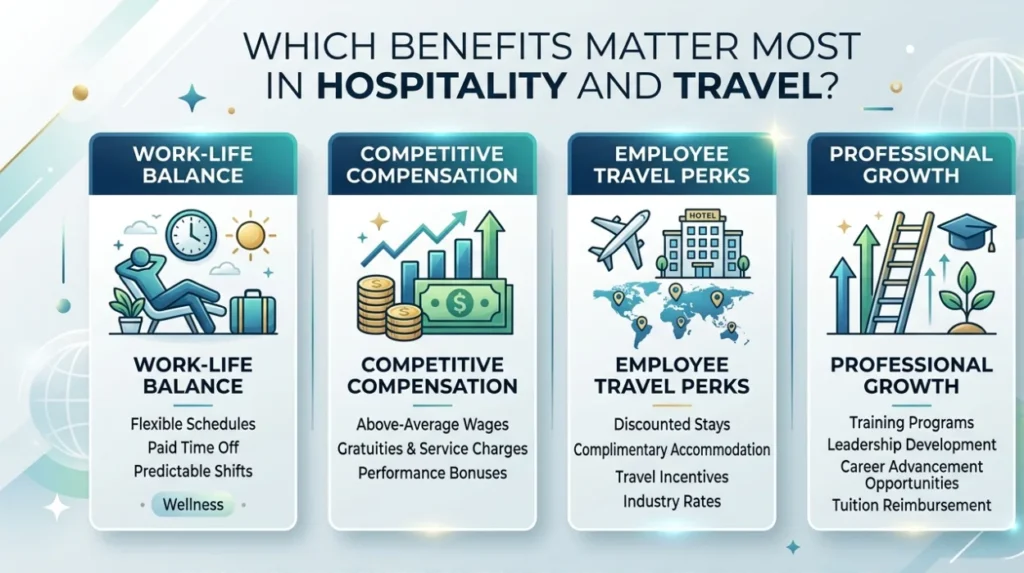
These sectors depend on consumer confidence because the purchase usually involves cost, timing, and experience risk. Review profiles carry strong weight because prospects expect service consistency before they book. A professional service improves the profile by reducing the visibility of unresolved complaints and strengthening the evidence of customer care. That changes how the business appears in both Trustpilot and search results. It also supports a more stable brand narrative across booking decisions. Reputation Management PR Agency fits this environment because the stakes are operational, not theoretical.
The service also helps where customer experience issues are seasonal or volume-driven. In travel and hospitality, repeated service pressure can create negative review clusters. Those clusters distort sentiment distribution and make the profile look weaker than the real operating picture. A structured response system helps restore balance by showing active management and accountability. That reduces reputational volatility. It also supports future review generation by making the public profile easier to trust. The benefit is not just damage control. It is controlled perception.
What should decision-makers check before choosing a service?
Decision-makers should check process clarity, policy expertise, reporting discipline, and evidence of measurable visibility improvement.
A reliable service begins with a clear method. That means it explains how reviews are assessed, what can be removed, what can be challenged, and what must be repaired through response and profile building. If the process is vague, the outcome will be vague. A strong provider also understands the difference between review moderation and reputation repair. That distinction matters because Trustpilot management requires platform-specific action, not generic content work. The service should therefore show how it handles policy breaches, reputation signals, and narrative repair in one plan.
Decision-makers should also evaluate sustainability. A short-term rating bump has little value if the same complaint pattern returns in 30 days. The better approach reduces risk by changing the operating pattern behind the profile. That includes better response timing, complaint classification, and review distribution. It also includes clearer monitoring so the team knows when the profile shifts. A service is only reliable when it produces controlled outcomes and not temporary appearance management. That is the standard that matters for a business under review pressure.
What should a review management plan include?
- Measure the current rating profile so the baseline is clear before action starts.
- Map complaint themes so recurring issues can be separated from isolated incidents.
- Report policy breaches where platform rules support removal or restriction.
- Respond consistently so the profile demonstrates accountability and reduces perceived risk.
- Monitor rating and sentiment trends so progress is visible and repeatable.
A structured Trustpilot service is therefore a decision-stage solution, not a cosmetic one. It improves control, strengthens trust signals, and stabilises public perception in the part of the search ecosystem that buyers use for judgement. Reputation Management PR Agency positions that work around measurable profile improvement, clearer process control, and stronger decision confidence.