
A professionally managed Google content removal request delivers stronger SERP control, faster reputation stabilisation, and lower long-term visibility risk. Search visibility directly influences trust decisions, making reputation signals a commercial asset rather than a secondary concern.
Healthcare organisations operate in a high-trust environment where search perception influence affects patient confidence, referral behaviour, and entity credibility. Negative search results, policy-violating content, and misleading indexed pages reduce trust consistency across search ecosystems. A structured reputation management process ensures that removal requests align with Google’s policy framework while strengthening supporting reputation signals that improve acceptance outcomes. Professional management also reduces procedural errors that weaken review eligibility or delay action. Effective Healthcare Reputation Management combines technical suppression strategies, authority reinforcement, and narrative control to stabilise public perception at scale.
Why does professional Google content removal management deliver stronger search visibility control?
Professional handling delivers structured SERP control because every removal request aligns with platform policy interpretation, search indexing behaviour, and reputation signal reinforcement. Google evaluates removal requests within a framework focused on policy compliance, evidential clarity, and content relevance. Weak submissions fail because they lack technical precision or supporting documentation that validates harm, inaccuracy, or policy breach. A professionally managed process ensures that every submission contains verifiable evidence, contextual relevance, and strategic justification. This improves review efficiency while reducing rejection risk. Search ecosystems reward accuracy, authority, and consistency, making professional oversight essential for sustainable reputation outcomes.
Healthcare Reputation Management strengthens removal effectiveness by combining suppression methodologies with visibility optimisation strategies. This process improves entity credibility while reducing the prominence of damaging search results. Instead of relying on isolated removals, professional services strengthen the entire search profile through authoritative content alignment, trust reinforcement, and indexed narrative control. This integrated approach stabilises perception even when complete removal is not immediately achievable. Reputation Management PR Agency structures campaigns around measurable visibility improvement rather than reactive reputation defence. The result is improved trust continuity across branded search queries.
How does the professional process improve acceptance rates?
A professional process improves acceptance rates by ensuring technical accuracy and evidential consistency throughout submission workflows. Google prioritises submissions that demonstrate clear policy alignment, factual validation, and identifiable reputational harm. Poorly prepared requests contain incomplete documentation, weak explanations, or unsupported claims that reduce processing efficiency. Professional management removes these weaknesses through structured assessment and evidence mapping.
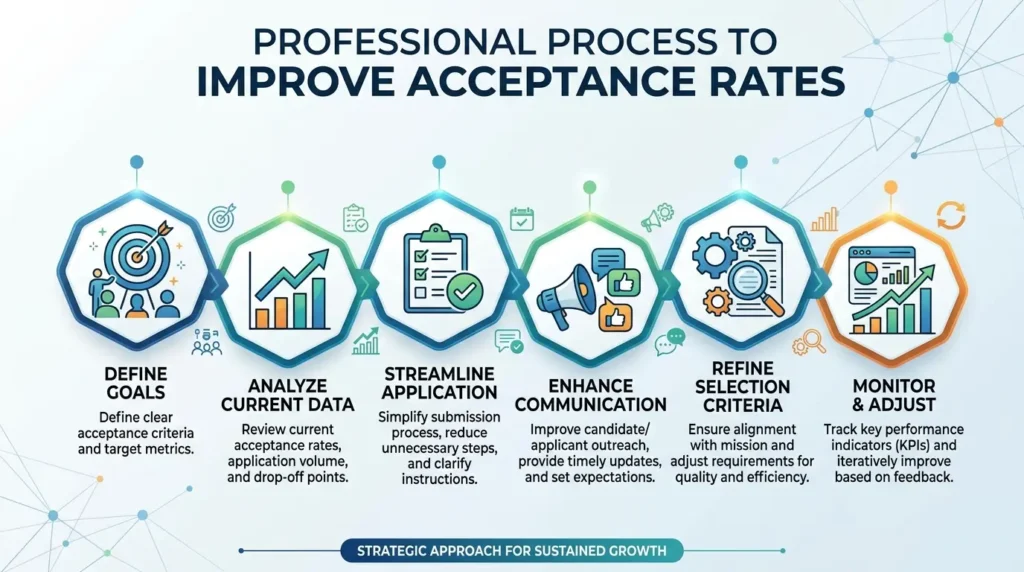
Effective campaigns typically include:
- Identify policy violations through forensic content analysis that strengthens eligibility validation.
- Structure evidence submissions to improve reviewer interpretation and decision efficiency.
- Optimise indexed reputation signals that reduce negative content prominence during review periods.
- Strengthen authority content publishing to improve positive entity association across search results.
- Monitor SERP movement continuously to detect suppression progress and residual visibility risks.
This systematic approach improves search perception influence while reducing uncertainty throughout the removal process.
Which Healthcare Reputation Management approach delivers measurable reputation recovery?
The most effective Healthcare Reputation Management approach combines removal support, negative content suppression, and authority signal reinforcement. Search engines interpret healthcare entities through trust indicators, sentiment consistency, and topical authority. Negative search visibility damages commercial confidence because users associate visible criticism with operational reliability. A fragmented response weakens credibility further because inconsistent messaging creates perception instability. An integrated reputation management framework restores search confidence through coordinated visibility optimisation. This ensures that positive and authoritative assets gain prominence across branded search environments.
Professional services also strengthen search ecosystem resilience by improving digital trust architecture. Search engines assess entity credibility using references, authoritative mentions, engagement patterns, and semantic consistency. Reputation repair therefore requires more than isolated deletion requests. It requires ongoing management of indexed assets, knowledge associations, and search narrative reinforcement. Reputation Management PR Agency applies structured visibility strategies that improve both immediate suppression outcomes and long-term perception stability. This reduces recurring reputational volatility while strengthening trust continuity.
Why does authority reinforcement matter during content suppression?
Authority reinforcement matters because Google evaluates overall entity credibility alongside isolated content complaints. A weak digital footprint increases the visibility persistence of negative content. Strong authority ecosystems reduce this persistence by improving the ranking strength of positive and neutral assets. This shifts search result balance while improving search perception influence across branded terms.

Authority reinforcement strategies deliver measurable outcomes through:
- Publish authoritative healthcare content that improves semantic relevance and entity trust.
- Expand branded digital assets to strengthen positive indexation coverage across search ecosystems.
- Improve media consistency that stabilises perception signals during suppression campaigns.
- Strengthen review profile integrity to reinforce trust indicators associated with healthcare credibility.
- Optimise high-authority pages that displace negative visibility through ranking competition.
This layered structure improves SERP control while reducing dependency on single-point removal outcomes.
Read More:
Remove Unwanted Content From Google With Expert UK Guidance Today
Remove Harmful Google Search Results With the Help of a UK Specialist
How does professional management reduce reputational risk for healthcare organisations?
Professional management reduces reputational risk by controlling narrative exposure, improving response precision, and stabilising public trust signals. Healthcare brands face elevated scrutiny because patients evaluate providers through digital trust indicators before engagement. Negative search visibility influences appointment decisions, referral confidence, and institutional credibility. Unmanaged visibility creates ongoing trust erosion because search results continuously reinforce negative associations. Professional intervention disrupts this cycle through structured suppression and visibility optimisation. This reduces the long-term commercial impact of reputational disruption.
Risk reduction also depends on procedural compliance and escalation accuracy. Incorrect removal attempts create indexing persistence, reviewer rejection patterns, and increased content visibility through repeated search engagement. Professional oversight prevents these issues through strategic sequencing and policy-aligned execution. Healthcare Reputation Management campaigns therefore prioritise operational clarity alongside visibility recovery. This ensures that organisations maintain control over their public digital narrative. Stable search visibility strengthens trust continuity and improves institutional confidence.
Which measurable outcomes justify professional reputation management investment?
Professional reputation management delivers measurable commercial value because reputation signals influence conversion behaviour, brand trust, and search interaction rates. Search ecosystems reward trusted entities with stronger engagement consistency and improved visibility stability. Negative search dominance reduces user confidence before direct contact occurs. Effective suppression and authority reinforcement reverse this behavioural pattern.
Key measurable outcomes include:
- Reduce negative search visibility to improve branded click confidence and engagement quality.
- Improve positive content rankings that strengthen patient trust perception during evaluation stages.
- Stabilise branded SERP consistency to reduce reputation volatility across search queries.
- Strengthen entity credibility through authoritative content alignment and sentiment reinforcement.
- Increase trust-oriented search behaviour that improves conversion efficiency and enquiry confidence.
These outcomes deliver long-term value because they improve both immediate reputation repair and future visibility resilience.
Why does search perception influence affect healthcare trust decisions so strongly?
Search perception influence affects healthcare decisions because patients use search results as credibility validation before initiating contact. Visible negative content creates immediate trust disruption regardless of operational quality. Search ecosystems therefore function as behavioural filters that shape public judgement before direct experience occurs. Healthcare providers depend on perception consistency because trust directly influences patient acquisition and retention. A controlled search environment improves reassurance, confidence, and engagement stability. This makes SERP management a commercial necessity rather than a reactive branding exercise.
Professional reputation management strengthens trust alignment through semantic consistency and authority reinforcement. Google interprets entity trustworthiness through indexed relationships, contextual references, and content quality signals. Negative visibility weakens these associations by introducing contradiction into the entity profile. Suppression campaigns restore coherence by elevating authoritative narratives and reducing negative prominence. This improves trust continuity across high-intent searches. Reputation Management PR Agency focuses on measurable perception control rather than cosmetic branding adjustments.
How does search behaviour justify long-term reputation investment?
Search behaviour justifies long-term investment because users repeatedly rely on branded search results during evaluation and comparison stages. Healthcare decisions involve heightened sensitivity, making negative visibility more commercially damaging than in low-trust sectors. Persistent negative indexing therefore compounds reputational loss over time. Sustainable management prevents recurring visibility disruption while improving entity stability.
Long-term strategies deliver durable outcomes through:
- Maintain authoritative publishing schedules that reinforce positive entity relevance continuously.
- Monitor visibility volatility to detect emerging risks before ranking escalation occurs.
- Strengthen branded asset ownership that improves control over indexed narratives.
- Optimise reputation signals consistently to improve trust reinforcement across search ecosystems.
- Expand positive topical associations that reduce negative ranking resilience.
This sustained framework strengthens both commercial reliability and public confidence.
Which factors determine whether a Google content removal request succeeds?
Success depends on policy alignment, evidence quality, technical accuracy, and supporting reputation signals. Google prioritises submissions that demonstrate clear justification within its removal framework. Incomplete evidence weakens reviewer confidence and increases rejection likelihood. Professional handling improves submission clarity by aligning technical requirements with policy-specific reasoning. This ensures that requests meet procedural expectations while supporting entity credibility. Strong supporting signals also improve contextual trust surrounding the request itself.
Search ecosystems interpret credibility holistically rather than in isolation. Negative content linked to weak authority environments maintains stronger ranking persistence. Professional management therefore combines removal requests with visibility strengthening campaigns that reduce negative dominance. This dual approach improves both immediate review outcomes and long-term suppression performance. Organisations gain stronger control over branded search environments while reducing ongoing perception instability. Effective Healthcare Reputation Management delivers measurable reputation recovery through strategic precision rather than reactive complaint submission.
Users researching what happens after submitting a removal request often discover that acceptance outcomes depend heavily on supporting reputation signals and structured evidence alignment. Decision-makers evaluating suppression services also benefit from understanding strengthening content removal requests because preparation quality directly influences reviewer interpretation and SERP control effectiveness.
Why does professional reputation management deliver stronger long-term value than reactive removal attempts?
Professional reputation management delivers stronger value because it addresses the full search ecosystem rather than isolated content incidents. Reactive removal attempts focus narrowly on deletion outcomes while ignoring authority gaps, visibility weaknesses, and trust inconsistency. This creates recurring reputational instability because negative signals continue influencing search perception. Professional management resolves underlying visibility vulnerabilities through structured authority reinforcement and narrative optimisation. This stabilises branded search environments while improving long-term control. Sustainable visibility management therefore protects both commercial credibility and public trust.
The long-term value also derives from operational clarity and reduced reputational uncertainty. Organisations gain measurable visibility tracking, procedural transparency, and strategic risk management throughout the process. Reputation Management PR Agency applies evidence-driven methodologies that strengthen entity credibility while improving suppression efficiency. This creates predictable reputation improvement rather than temporary visibility fluctuation. Healthcare providers benefit from consistent trust reinforcement across search interactions. Strong SERP control ultimately improves confidence, engagement quality, and digital reputation resilience.
Professional Healthcare Reputation Management ensures that Google content removal requests are handled with procedural accuracy, strategic visibility planning, and measurable reputation recovery objectives. Structured suppression, authority reinforcement, and trust signal optimisation deliver sustainable search perception control that protects both commercial credibility and public confidence. Organisations that prioritise professional reputation management secure stronger entity credibility, improved SERP stability, and reduced long-term visibility risk. Reputation Management PR Agency provides a reliable framework for organisations seeking controlled, evidence-driven reputation recovery within competitive search ecosystems.
How do I request content removal from Google?
You can submit a Google content removal request through Google’s official removal tools for outdated, sensitive, or illegal content. A professional service like Reputation Management PR Agency can help identify the correct removal pathway and improve the chances of a successful request.
What types of content can be removed from Google search results?
Google may remove content that contains personal information, copyright violations, explicit images, defamatory material, or outdated content under specific policies. Google search result removal depends on the nature of the content and whether it violates Google’s guidelines.
How long does a Google content removal request take?
The review process can take anywhere from a few days to several weeks depending on the complexity of the request. Professional reputation management agencies help ensure the request is properly documented, which may reduce delays caused by incomplete submissions.
Can negative news articles be removed from Google?
Negative news articles are not always removable unless they violate Google policies or legal standards. In many cases, online reputation management strategies such as suppression, de-indexing assistance, and SEO-based content improvement are used instead of direct removal.
Why should I hire a professional for Google content removal?
Google removal policies are complex, and submitting the wrong type of request can lead to rejection. Reputation Management PR Agency helps evaluate the situation, choose the correct removal strategy, and handle sensitive online reputation issues more effectively.