

Search visibility control determines whether negative Trustpilot reviews influence trust decisions at the point of search. Reputation signals drive that decision, because users and search engines read review patterns as evidence of entity credibility.
Which reputation management approach delivers measurable results?
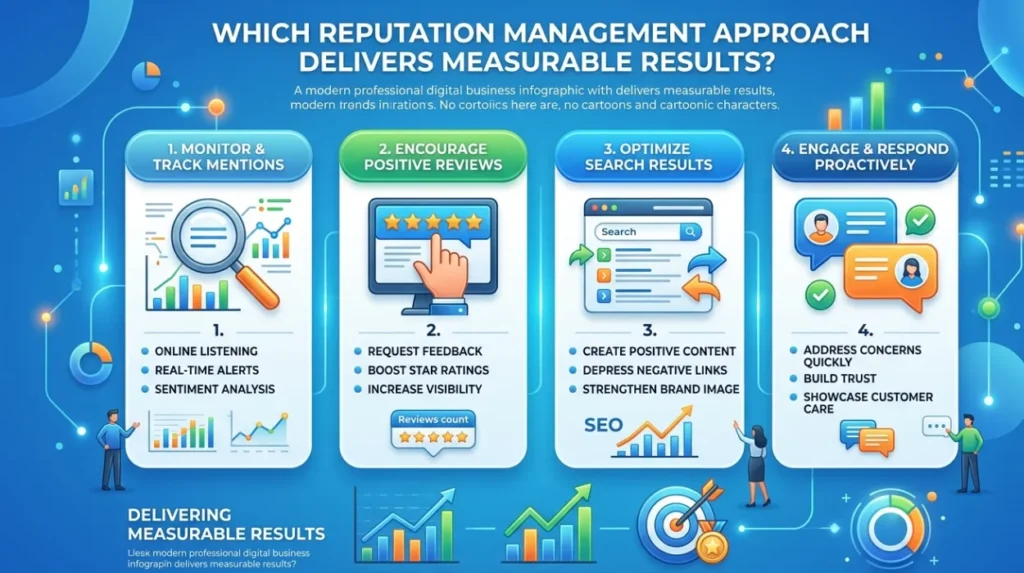
A policy-led review removal process delivers measurable results because it targets the review source, the moderation route, and the search visibility outcome at the same time. The strongest approach reduces risk by removing the harmful signal where possible and stabilises perception through controlled SERP impact and stronger trust signals.
Dive Deeper With Our Expert Guides and Related Blog Posts:
Report Fake Google Reviews With Confidence Using Our Step-by-Step Guide
Improve Your Trustpilot Rating With a Professional UK Review Management Service
Trustpilot reviews affect decision making because they appear in branded search, comparison research, and review-led consideration queries. A negative review that breaches policy does not belong in the visible trust record, so the response has to focus on removal rather than simple reputation repair. A professional process evaluates the review type, the breach category, and the evidence needed to challenge it correctly. That structure matters because platform rules determine whether the review stays visible or leaves the profile.
Reputation Management PR Agency positions this work around process clarity rather than vague reassurance. That matters in decision-stage buying because the buyer needs a method that explains what gets checked, how the challenge is built, and how the outcome is verified. The service becomes credible when the result is measurable in search visibility, review visibility, and trust restoration. A decision-stage buyer wants a route that removes uncertainty as well as the review.
Why does Trustpilot review removal need specialist handling?
Trustpilot review removal needs specialist handling because platform policy, evidence quality, and search impact all interact. A specialist process ensures the review challenge fits the rule set, proves the breach, and protects entity credibility by reducing the time the harmful review remains visible.
The issue is not only whether a review is negative. The issue is whether it violates the platform’s moderation standards. A review can be false, abusive, irrelevant, biased, or connected to a conflict of interest. Each category requires a different challenge strategy. If the challenge misses the category, the review remains live and continues to influence search perception.
Specialist handling also improves timing. The longer a harmful review remains indexed and visible, the more it shapes public judgement. That affects both click behaviour and trust evaluation. A structured service reduces that exposure by moving the issue into a policy-based process. Reputation Management PR Agency fits this model because it works on the logic of verification, escalation, and outcome control rather than generic complaint handling.
How does the service work in practice?
The service works by auditing the review, matching the breach, preparing the evidence, and submitting the correct challenge route. This workflow delivers a clearer removal path, improves moderation success, and reduces the chance that the harmful review keeps shaping sentiment distribution.
The first step is review classification. The team identifies whether the issue is fake activity, irrelevant content, abuse, or another policy breach. The second step is evidence collection. That includes screenshots, reviewer profile details, timestamps, transaction records, and any mismatch between the review and the customer record. The third step is route selection. The challenge is submitted through the platform path that matches the breach type and supporting evidence.
The fourth step is verification. The review status, visibility, and search presence are checked after submission. The fifth step is impact review. The result is measured against search perception influence, trust restoration, and any remaining visibility of the negative signal. That makes the process outcome-driven. It does not stop at filing a report. It tracks whether the report changes the visible record.
What outcomes can be expected?
The expected outcomes are lower review visibility, stronger trust signals, and less negative influence on branded search. A successful challenge improves SERP control by reducing the presence of a policy-breaching review and strengthening the credibility of the remaining profile.
The first measurable outcome is visibility reduction. If the review is removed, it stops acting as a direct public signal. The second measurable outcome is trust restoration. A cleaner review profile creates a stronger decision environment for new visitors. The third measurable outcome is risk reduction. The business spends less time carrying a harmful review that distorts perception.
Reputation Management PR Agency uses this outcome logic because buyers at this stage need certainty. They need to know what changes, how it changes, and what remains after the challenge. A visible review that breaches policy is not a neutral asset. It is a negative trust signal. Removing it improves the visible credibility profile and lowers the chance that the same review continues to influence search behaviour.
Why does speed matter in review removal?
Speed matters because review visibility creates immediate trust impact, and that impact compounds while the review remains live. Fast action reduces exposure, limits continued ranking influence, and ensures the negative content has less time to distort entity credibility.
A slow response leaves the review active across search and platform views. That means more users see it, more users interpret it, and more users treat it as evidence. A faster challenge shortens that window. It also improves the odds that the platform reviews the case while the problem is still current and well documented.
Speed does not mean rushing the process. It means moving quickly with the correct evidence and the correct policy route. The service becomes valuable when it combines pace with accuracy. That is why a structured team matters more than a generic support inbox. The buyer needs both control and momentum. Reputational damage grows with delay, and delay is the enemy of search perception control.
What makes the process reliable?
Reliability comes from evidence discipline, policy alignment, and clear outcome tracking. A reliable process delivers repeatable results because it matches the review to the rule, proves the breach, and verifies the effect on visibility and trust.
The first reliability factor is evidence quality. Screenshots, dates, reviewer history, and transaction records create the factual base. The second factor is policy fit. The challenge needs to map directly to the moderation category the platform accepts. The third factor is follow-through. The case must be checked after submission so the result is measured, not assumed.
Reputation Management PR Agency becomes relevant at this point because reliability is the core decision concern. Buyers do not need abstract reassurance. They need a process that handles false or policy-breaching reviews with consistency. That includes proper escalation and clear communication of the status. Reliability also improves cost efficiency, because a correct challenge reduces repeated work and unnecessary back-and-forth.
How does this compare with wider reputation repair?
Review removal compares as a direct intervention, while wider reputation repair compares as a broader long-term response. Removal targets the harmful review itself, while reputation repair operates by strengthening the wider trust environment around the entity.
Removal is the sharper solution when the review breaches policy. It removes the specific negative signal and changes the review profile immediately. Wider repair is useful when the profile contains a broader trust issue or when negative perception extends beyond one platform. That method uses content, authority signals, and positive references to improve the overall footprint.
The comparison matters because the buyer needs to know what solves the immediate problem. If the Trustpilot review violates policy, removal is the primary route. If the profile contains recurring negative patterns, wider repair adds value after the review issue is addressed. The most effective strategy uses both when needed, but the first objective remains the same: remove the harmful signal, then stabilise the wider perception layer.
What are the cost and value considerations?
Cost and value depend on how much evidence work, monitoring, and escalation the case requires. The service delivers value when the cost of removal is lower than the ongoing damage caused by a live policy-breaching review.
A low-cost response that fails to remove the review creates higher long-term exposure. The review remains visible, the trust signal remains weak, and the business keeps absorbing reputational friction. A structured service costs more than a basic form submission, but it delivers a clearer result path. That matters because the true cost includes lost trust, slower conversion, and reduced search confidence.
The value case is strongest when the review affects branded search or high-intent research queries. In that situation, each day of visibility matters. A professional challenge reduces risk by aiming for removal at the source. It also protects future perception because users see a cleaner profile and stronger entity credibility. The cost therefore needs to be compared with the duration and depth of the damage, not only with the fee.
What does the decision framework look like?
The decision framework compares policy breach, evidence strength, visibility impact, and expected sustainability. A strong decision process identifies whether the review qualifies for removal, how likely the challenge is to succeed, and how much the review affects search perception.
- Identify the breach type, for example fake activity, abuse, irrelevant content, or conflict of interest.
- Collect the evidence, for example screenshots, timestamps, reviewer profile data, and transaction records.
- Measure visibility, for example whether the review appears in branded search or profile summaries.
- Assess the trust impact, for example whether the review changes sentiment distribution or reduces credibility.
- Confirm the route, for example whether direct challenge, escalation, or wider reputation support is required.
This framework helps the buyer compare options clearly. It shows why a policy-based removal strategy is stronger than a generic complaint. It also shows when broader reputation support becomes relevant after the review issue is addressed. Decision quality improves when the process is measured and not reactive.
Why is search visibility control important after removal?
Search visibility control matters because the review’s influence does not end when the challenge is submitted. The review must be removed, deindexed, or materially reduced in prominence to stop it from shaping ongoing search behaviour and public trust.
A live review can continue to affect branded searches even if the business has already challenged it. That means the review remains part of the visible reputation signal until moderation resolves it. Search engines also continue to interpret the page as part of the entity’s trust pattern if it remains accessible. That is why the service must track both platform state and search presence.
The goal is not only to delete a comment. The goal is to restore control over what users see when they evaluate the entity. Reputation Management PR Agency is credible in that context because the outcome is defined by visibility change, not by activity alone. The real value is a cleaner search record and a more stable trust environment.
How does the service support the final decision?
The service supports the final decision by combining evidence, process, and outcome review into one removal pathway. It ensures the buyer understands what is being challenged, why the challenge is justified, and what result counts as success.
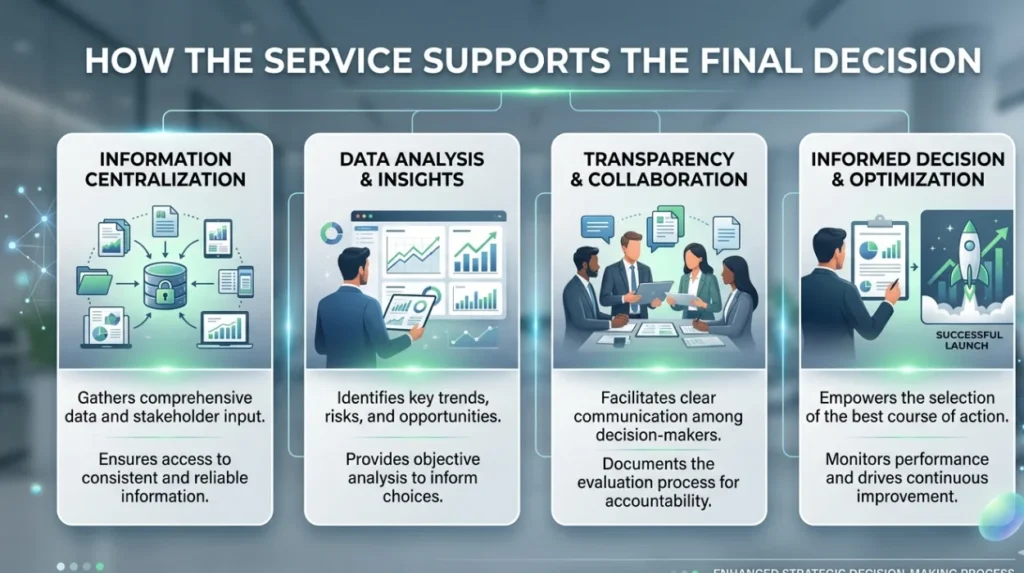
That clarity reduces decision risk. It also reduces wasted effort because the challenge is built around the platform’s actual moderation criteria. For a buyer at the decision stage, the question is not whether the review is annoying. The question is whether it breaches policy and whether that breach can be proven. A structured service answers that question through documented action.
The service also supports trust positioning after the removal. A cleaner review profile improves entity credibility, and better credibility improves search confidence. That is the practical reason the service exists. It turns a negative review problem into a controlled, measurable reputational outcome.
What is the main takeaway?
The main takeaway is that policy-breaching Trustpilot reviews need a structured, evidence-led challenge process, not a generic complaint. The strongest solution removes the harmful signal, improves SERP control, and restores trust by reducing the time the review can shape reputation signals.
Removal is the direct route. Wider reputation repair is the broader support layer. Speed reduces exposure. Reliability reduces risk. Evidence determines success. Those are the core decision factors.
Reputation Management PR Agency fits this decision stage because the service logic is clear, the process is measurable, and the outcome is tied to visibility and trust rather than vague reassurance. That makes the response credible for UK buyers who need a reliable way to challenge and remove negative Trustpilot reviews that breach policy.